Chase a Storm Tornado Types
Rope, cone, wedge, multi-vortex, rain-wrapped, and fire—how each changes filming and survival.
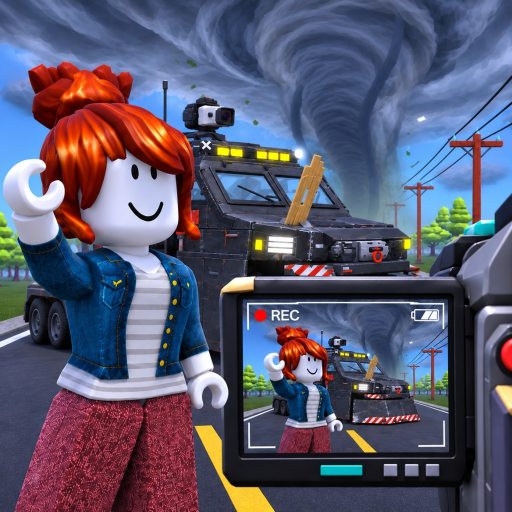
Not every funnel in Chase a Storm asks for the same truck angle. Learning tornado types is how crews stop treating every cell like a Day 1 rope and wondering why the wedge deleted them. This guide covers rope, cone, wedge, multi-vortex, rain-wrapped, and fire tornadoes: how to recognize them, how to film them for Storm Points, when to abort, and which encounters tie to badges.
Pair this page with Survive Tornadoes and How to Film for Storm Points. New chasers should still finish Getting Started. Spotters in four-stacks should memorize the vocabulary in the Co-op Crew Guide.
Why type ID matters
Chase a Storm is a survival storm-chasing co-op inspired by the Tornado Watch fantasy. Storm Points come from footage, but footage only counts if you live. Type ID tells the driver how wide to sit, tells the cameraman whether rain is hiding the subject, and tells the whole crew whether tonight is a farming run or a prestige badge attempt.
Encounter badges exist for notable types—including rain-wrapped and fire. Day Completed badges still come first for progression; see Days & Seasons and Season 2.
Rope tornadoes
Look: Thin, elongated funnel. Often the “friendly” looking chase on camera.
Filming: Ropes tempt close parking because they photograph cleanly. Resist the urge to sit inside debris range for a bigger silhouette. Burst record on a stable side angle, then create space.
Survival: Ropes can still throw debris and walk lightning. They also evolve. If the condensation funnel fattening toward a cone or worse, call the upgrade out loud and widen immediately.
Crew call: “Rope, path [left/right], holding wide.”
Cone tornadoes
Look: Classic broader funnel, more presence than a rope, not yet a ground-scouring wedge.
Filming: Cones are the workhorse money shot for many sessions. Frame the full height when possible, keep the truck lateral, and cut record while repositioning. Battery waste on partial cones behind heavy rain is common—wait for contrast.
Survival: Respect growth. A healthy cone with rising debris is not a rope with makeup. Keep an exit lane. Hail onset is your cue to stop negotiating distance.
Crew call: “Cone, stable side, battery ready.”
Wedge tornadoes
Look: Wide, blocky, sometimes wider than tall. The “oh no” silhouette.
Filming: You do not need to be underneath it for Points. Capture structure from a safer flank. Continuous record while the driver panics is how batteries die and trucks flip. Short, deliberate bursts.
Survival: Default much wider. Plan lateral escapes before the money shot. Abort early if the path cuts your road. Wedges are where ego badges turn into wipe screens.
Crew call: “Wedge—wide. Exit check. Abort ready.”
Multi-vortex tornadoes
Look: Multiple subvortices dancing around a parent circulation. Chaotic motion, hard to predict which satellite spins toward the truck.
Filming: Do not tunnel on one pretty subvortex while another eats your exit. Wider frames help the spotter and the driver. Expect more reposition cuts; budget battery accordingly.
Survival: Static parking is punished. Keep the truck mobile. Treat sudden debris spikes from a satellite vortex as an instant abort candidate.
Crew call: “Multi-vortex, mobile, watching satellites.”
Rain-wrapped tornadoes
Look: Funnel buried in precipitation. You may see rotation in the rain shaft before you see a clean condensation funnel.
Filming: Do not burn battery on gray soup. Hold for reveals, lightning-lit structure, or a clearer flank. Rain-wrapped encounters are badge-relevant—patience beats spam recording.
Survival: Visibility lies. Assume the dangerous core is closer than your eyes claim. Wider defaults, earlier aborts, no dead-end roads. This is a prestige chase, not a free farm.
Crew call: “Rain-wrapped—visibility bad, staying wide.”
Fire tornadoes
Look: The rare spectacle: fire-driven or fire-associated tornado behavior that stands out from standard farm-country funnels.
Filming: Document deliberately. These runs are for badge pride and memorable clips, not for learning basic camcorder hygiene. If your crew still whiffs rope battery management, practice on standard types first.
Survival: High prestige, high mistake cost. Agree before the approach that abort wins arguments. Do not invent a second plan mid-fire when debris and heat-of-the-moment chat collide.
Crew call: “Fire tornado—prestige rules, abort wins.”
For a full prestige checklist, badge notes, and Season 2 interceptor advice, open the dedicated Fire Tornado Guide. Track encounter progress on the Badges Guide.
Spotter cheat sheet
| Type | Default distance | Film note | Abort sensitivity |
|---|---|---|---|
| Rope | Moderate | Clean silhouette bursts | Medium—watch evolution |
| Cone | Moderate-wide | Full-height when clear | Medium-high |
| Wedge | Wide | Flank structure only | High |
| Multi-vortex | Wide + mobile | Avoid tunnel vision | High |
| Rain-wrapped | Wide | Wait for reveal | Very high |
| Fire | Wide + planned | Deliberate badge clip | Very high |
Print this mentally before Season 2 Day pushes where pressure makes people downgrade every funnel to “probably fine.”
Badges and progression ties
Encounter badges for rain-wrapped and fire reward identification plus survival, not merely driving into the mess. Base badges like Chase a Storm! celebrate the fantasy; Struck by Lightning! should remain a cautionary tale. Day 1–7 and Season 2 Day badges still measure consistency more than one lucky rare clip.
Spend Storm Points on trucks that match how you chase. If you often film wedges, prioritize forgiveness and exits—compare options on the Vehicles Tier List and the Tier List hub. Announced interceptors (Dominus 2, Dominus 3, Siv 2, USAV, and more) change ceilings; type ID still decides whether you belong at that distance.
Training plan
- Spend a session calling types out loud even in public lobbies.
- Film only after the call.
- Abort on one upgraded risk tell (debris jump, hail spike, path cut).
- Review whether the call matched the outcome.
- Read Updates after patches in case visuals or behaviors shift.
Refresh inputs anytime on Controls. Claim Codes when available. Keep Scripts curiosity separate from learning funnels the honest way.
Return to the Guides Hub when you need the full map. Name the type, set the distance, film the burst, and leave while the exit still exists—that is how Chase a Storm chasers turn sky chaos into Storm Points and badges.
Frequently Asked Questions
Quick answers for Chase a Storm chasers.
Which tornado type is safest for beginners?
Clear ropes and cones at moderate-wide distance are the best practice subjects. Avoid rain-wrapped and fire hunts until abort and battery habits are automatic.
Which types have special badges?
Rain-wrapped and fire tornadoes are called out for encounter badges. Treat them as prestige chases with stricter abort rules.
What should the spotter say first?
Type name, then path direction, then hazard spikes. Example: “Wedge, path left, debris up.” Keep vocabulary consistent with this guide.
Why is rain-wrapped so dangerous?
Precipitation hides the true core, so crews park closer than they think. Stay wide, wait for visual reveals, and abort early if exits shrink.
Do wedges always pay more Storm Points?
Not if you die. A clean cone burst that finishes the chase often beats a greedy wedge wipe. Survival enables Points.
How do types connect to Days and Season 2?
Later Days and Season 2 pushes expect faster ID and stricter spacing. Review Days & Seasons for pacing, then use this page for in-chase calls.